
Mold Illness: Why You’re Still Sick
Maybe you’ve been told it’s anxiety, fibromyalgia, or chronic fatigue — and no one has ever mentioned mold. Or maybe you were diagnosed, did the binders and the detox, remediated the house, and still don’t feel well. Either way, the problem usually isn’t that mold treatment failed. It’s that you were treated like a contaminated building instead of a sick person.
Dr. Darrell Kilcup, DC, CFMP, IBUM · In practice since 1991 · Functional medicine by phone & video, nationwide
Why mold treatment so often doesn’t work
Mold illness happens when a person can’t clear the toxins certain molds produce — and it doesn’t resolve when treatment targets only the mold. The people who stay sick almost always have other problems no one addressed: live mold organisms colonizing the gut, detox pathways starved of the nutrients they need to run, a methylation defect that slows clearance, or hormones backing up behind the toxins. Until those are found and corrected, remediating your home or running a detox protocol isn’t enough.
Most of the patients I see don’t even know mold is involved when they arrive — their symptoms are severe, scattered across the body, and have never been connected. Others come to me after being treated for mold somewhere else and getting nowhere. Below is what I look for in both — and why standard care tends to walk right past it.
You’ve been sick for a long time, and no one has the whole picture
Most of the people who find this page have lived some version of the same story. If you recognize it, you’re not imagining things, and you’re not doing it wrong.
Symptoms everywhere
Fatigue, brain fog, pain, gut trouble, mood changes — across several body systems at once.
Normal tests, no answers
You were told it’s stress, anxiety, fibromyalgia, chronic fatigue — or that nothing is wrong.
Maybe you found the mold
You remediated the house, took binders, ran a detox protocol — did what you were told.
Still not well
A little better, or no better — and no clear reason why you’re still stuck.
By now you may have been told your case is “complicated,” or that this is simply how you are now. I don’t see it that way. Still being sick isn’t a sign you failed the treatment — it’s a sign the treatment only addressed part of the problem.
Why mold illness doesn’t resolve
“Mold illness” isn’t really the whole diagnosis — it’s a clue. It tells me your body is carrying a toxin it can’t clear, but it doesn’t tell me everything that’s keeping you sick. The whole field talks about mold as if it lives in drywall or grows in a petri dish. I don’t treat a building or a culture — I treat the person standing in front of me. These are the things I find most often in people who were “treated for mold” and never got well.
The mold was never actually identified
Most patients are shocked when I tell them mold may be behind their illness — especially here in the dry Southwest, where mold isn’t on anyone’s radar. But even small exposures can make certain people very sick, and the symptoms scatter across the whole body: fatigue, brain fog, headaches, joint and muscle pain, gut problems, mood changes, strange sensations. Because no single specialist sees the whole picture, each symptom gets its own label, and the one thread connecting them — a toxin the body can’t clear — is never found. It often runs through a whole household: one person carries the obvious illness while others are quietly affected too, including children whose problems get written off as behavior or “just a phase.”
Your mold test came back negative — and you were told it wasn’t mold
This one matters more than almost anything else on this page, and I see it most in my sickest patients. They come to me having had a urine mycotoxin test that came back negative, and they were told mold wasn’t their problem. But a negative urine test doesn’t mean the toxins aren’t there — it often means the body is so poor at clearing them that they never left through the kidneys to show up in the urine in the first place. The toxin isn’t gone; it’s sequestered in the body. In these patients I’ll often do detoxification work first and then retest — and that’s when the hidden mold toxicity finally shows up. The same idea explains two other things I see constantly: in a house full of mold, often only one or two family members are truly sick even though I’ve tested whole families and found everyone positive — because the difference isn’t the exposure, it’s how well each person’s body clears the toxin. And people who left a moldy building years ago can stay sick ever since, because their body still can’t get rid of what it stored. It was never only about exposure. It’s about whether you can clear it.
The mold isn’t only in your house — it may be growing in your gut
This is one of the biggest reasons people don’t get better, and it’s something I see constantly in my own practice. Treatment focuses on the building and on the toxins in the urine — but in a great many of my patients, I find mold and other fungal organisms actually colonizing the gut. You can remediate the house perfectly and run every binder there is, but if mold is still living in your intestinal tract, it keeps producing the very toxins you’re trying to clear. The source was never removed, because no one looked inside you — only around you.
Your detox machinery is running on empty
Clearing mold toxins isn’t automatic — your body needs specific raw materials to do it. Vitamins A, D, and E, NAC, and molybdenum are all part of the detoxification machinery, and I routinely find patients deficient in several of them. On top of that, many people carry an MTHFR mutation that slows methylation and requires extra folate and B12 to work properly. When the detox pathways are starved or genetically stalled, binders and antifungals have nothing to push the toxins out with — so the toxins keep recirculating and the patient stays sick no matter how aggressive the protocol.
Your hormones are backing up behind the toxins — especially in women
The body uses the same clearance systems to remove used-up hormones that it uses to remove toxins. In my experience, when mold toxicity overloads those systems, women in particular lose the capacity to clear conjugated hormones efficiently — so hormones back up and pile on top of the toxic burden. That’s why so many of the women I see with mold illness also have hormonal symptoms that get treated as a completely separate problem. In my view they aren’t separate: the same bottleneck is driving both, and clearing the toxic load is part of fixing the hormones.
The detox you were given may have made you worse
Detoxification is not automatically safe, and done badly it can do real harm. I’ve seen patients come to me worse after a detox protocol — in some cases with liver enzymes dangerously elevated. The likely reason is that the toxins were pulled out of storage but never actually eliminated: instead of leaving the body, they were mobilized, recirculated, and put back into storage, loading the liver and the rest of the system on the way. This is why the protocol matters so much. Clearing mold toxins has to be done in a way that’s both safe and effective — the right binders, in the right order, with your drainage and detox pathways supported so the toxins actually have somewhere to go. The cheapest or easiest approach is too often the one that causes the most damage.
Mold illness often overlaps with chronic Lyme for the same reason — both make people sick through toxins the body can’t eliminate. You can read about my approach to chronic Lyme here, and about how I use hyperbaric oxygen and red light therapy to support mold recovery here. When the gut is involved, it can also show up as recurring digestive problems — see why SIBO keeps coming back.
Patients who finally got answers
“He has helped me restore my health after being exposed to toxic mold for years. He helped identify and treat all of the symptoms I was experiencing and address the root problem. I never received this kind of care or attention to detail from other doctors. Anyone seeking a holistic path toward healing should see him.”
“I had severe menstrual cramps, migraines, hair loss, exhaustion, anxiety, and brain fog. Several doctors couldn’t figure out what was wrong. Dr. Kilcup took the time, then ordered testing to verify the problems — he didn’t just write me off. Almost all of my issues are better or gone, and now I’m training for a half marathon.”
“I’ve battled chronic illness for years and worked with several doctors who couldn’t get to the root. He was the first to recommend a thorough battery of testing, which revealed an underlying infection I never knew about. He says he’ll leave no stone unturned — I believe it.”
“My life took a turn for the worst — I was bombarded with symptoms that didn’t make sense. Nine ER visits and no answers, being gaslit and called crazy. I found functional medicine, and I believe I was guided to Dr. Kilcup. He listens, goes through your history, makes sure you understand your test results, and truly works to get you better.”
“I’ve had chronic health conditions no one could understand or solve — traditional or functional — until now. The lab testing gave real insight into what’s going on in my body. I’m not fully healed yet, but I’m seeing significant improvement and I’m confident I’m on the right path as he helps me through my infections and illnesses.”
Testimonials reflect individual patient experiences and are not a promise or guarantee of any particular result. Individual results vary. These excerpts are taken from public reviews and edited only for length.
You are a patient — not a building, and not a petri dish.
The whole conversation around mold treats it as if it lives in drywall or grows in a culture dish. But I’m not treating a building or a culture — I’m treating you. You can have mycotoxicity as your main problem and be low in vitamin D, unable to methylate, backed up on hormones, and colonized in the gut, all at the same time. Address every piece and you get better — much better. Treat only the toxin and you stay stuck. That difference is the whole point of how I work.
A detailed history
Every patient starts with an extensive health-history form and a real conversation about your symptoms, your timeline, your exposures, and everything you’ve already tried. That’s what shapes the plan.
Testing chosen for you
Mycotoxin and biotoxin testing where it fits — but also nutrient status, MTHFR and methylation, hormone clearance, gut and stool analysis, and the CIRS bloodwork. Not a fixed panel everyone runs; the testing your picture actually calls for.
Treat the whole person
We address the toxin and the gut colonization and the missing nutrients and the hormone backup and the methylation block. When all of it is handled together, people recover — that’s the difference between managing mold illness and resolving it.
I work with functional medicine patients across the country by phone and video. Wherever you are, the process is the same: history first, testing chosen from it, then a plan built on what we actually find. Learn more about working with me here.
How I evaluate mold illness
There’s no mystery to the process. Here’s how it actually goes — whether you’re across town or across the country.
A thorough history & symptom review
Your full timeline, your exposures, and everything you’ve already tried — this is what shapes the entire plan.
An exposure assessment
Where mold may be in your environment, and whether home or environmental testing makes sense for your situation.
Personalized laboratory testing
Chosen from your history — not a fixed panel everyone runs. Depending on your case that can include mycotoxin and biotoxin testing, CIRS markers, stool and gut analysis, nutrient status, hormone testing, and methylation / MTHFR. When an initial test is negative but the picture still fits, I’ll sometimes do detoxification work and retest to uncover toxins your body had sequestered.
An individualized treatment plan
Built on what the testing actually shows — addressing the toxin and the gut, the missing nutrients, the hormones, and your detox capacity together, not one at a time.
Ongoing monitoring & adjustment
We retest and adapt as you improve, so the plan keeps pace with your recovery instead of staying fixed.
Most of this can be done from home — lab orders and test kits arranged remotely, visits by phone or video. You don’t need to be in Arizona to work with me.
This page is for you if…
And honestly, it may not be the right fit if…
I’d rather be honest about that up front. If finding and fixing the underlying cause is what you’re after, we’re a good match.
Mold illness, answered
How do I find a doctor who treats mold illness?
Look for a clinician who actually evaluates and treats mold illness — not one who runs a single mycotoxin test and hands you a binder. The right person takes a full history, tests beyond the toxin (gut, nutrients, hormones, methylation), and treats you as a whole person rather than a contaminated building. I do this with patients across the country by phone and video. You can start by completing the new patient form or calling (602) 864-0304.
What are the symptoms of mold toxicity?
Mold toxicity tends to cause symptoms across several body systems at once: fatigue and weakness, brain fog, memory and word-finding trouble, headaches, muscle and joint pain, chronic sinus or respiratory issues, gut problems like pain and diarrhea, mood changes, light sensitivity, and unusual signs like increased thirst or static “shocks.” Because the symptoms are so scattered, they’re often split among specialists and never connected to a single cause. If you have symptoms in several of these categories with no clear explanation, mold is worth investigating.
How do you test for mold toxicity?
Testing usually combines several tools: blood markers that show whether the body is reacting to a biotoxin, mycotoxin testing that shows whether mold toxins are present in your body, and home or environmental testing to find the source. But I go further than that, because the toxin is only part of the picture — I also test nutrient status, MTHFR and methylation, hormone clearance, and whether mold is colonizing the gut. I choose the testing from your history rather than running the same fixed panel on everyone.
My urine mycotoxin test was negative — could I still have mold illness?
Yes, and in my experience this is common in the sickest patients. A urine mycotoxin test measures what your body is excreting through the kidneys. If your body is poor at clearing mold toxins, they stay sequestered in your tissues and never show up in the urine — so the test reads negative even though the toxins are there. In these cases I’ll often do some detoxification work first and then retest, which frequently reveals the mold toxicity the first test missed. A single negative test is not proof that mold isn’t your problem.
Why am I not getting better after mold treatment?
This is the most common reason people come to me. Usually the mold was treated as if it lived only in the building, and the rest of the problem was never addressed. In my experience the people who stay sick almost always have one or more of these: live mold organisms still colonizing the gut, detox pathways starved of nutrients like vitamin D, A, E, NAC, or molybdenum, an MTHFR mutation slowing methylation, or hormones backing up behind the toxic load. Until those are corrected, even a perfect detox protocol can’t finish the job.
Can a mold detox make you worse?
It can, if it’s done badly. I’ve seen patients arrive worse after a poor-quality detox — sometimes with dangerously elevated liver enzymes — because the toxins were pulled out of storage but never fully eliminated, so they recirculated and were redeposited instead of leaving the body. A safe, effective mold detox isn’t the cheapest or the easiest one: it uses the right binders in the right sequence, with your drainage and detox pathways supported so the toxins actually have a way out. Getting genuinely sicker on a protocol is a sign it isn’t right for you — not something to push through.
Is mold illness the same as CIRS?
They’re closely related. CIRS — Chronic Inflammatory Response Syndrome — describes the inflammatory illness that develops in people who can’t clear certain biotoxins, and mold is one of the most common triggers (chronic Lyme is another). The genetic susceptibility behind CIRS is real and worth identifying. But I treat CIRS as one piece of a larger picture, not the entire diagnosis, because the people who don’t recover usually have the additional problems — gut colonization, nutrient and methylation issues, hormone backup — that a CIRS-only approach doesn’t reach.
Can mold illness be treated remotely, or do I need to be in Arizona?
You don’t need to be in Arizona. I see functional medicine patients across the country by phone and video, and most mold-illness testing can be done from where you live. The process is the same wherever you are: a thorough history, testing chosen from it, and a plan built on what we actually find. You can begin with the new patient form or by calling (602) 864-0304.
Do I need to test my home before I see you?
No — you don’t need a home mold report before we start. Environmental testing can be useful for finding and removing the source, and we’ll talk about whether it makes sense for you, but I can begin evaluating what mold has done to your body right away. Waiting on a home inspection shouldn’t delay your own care.
Can mold illness cause hormone problems?
In my experience it can, especially in women. The body clears used-up hormones through the same pathways it uses to clear toxins, and when mold overloads those pathways, hormones can back up alongside the toxic burden. That’s why I look at hormones and toxic load together rather than treating them as separate problems.
Can mold illness cause digestive problems or SIBO?
Often, yes. Mold and mycotoxins can disrupt the gut directly, and I frequently find fungal organisms colonizing the digestive tract in mold-illness patients. It can also show up as recurring SIBO that never fully resolves. That’s why gut testing is part of how I evaluate mold illness — you can read more about why SIBO keeps coming back.
Can mold make me sick years after I’ve left the building?
Yes. I have patients who were exposed years ago, no longer live anywhere near mold, and have been sick ever since. If your body struggles to clear mold toxins, they can stay stored in your tissues long after the exposure ends — so leaving the mold, while important, doesn’t automatically remove the toxins from your body. That’s why I focus on your ability to clear the burden, not just on whether you’re still being exposed.
How long does it take to recover from mold illness?
It varies a great deal, depending on how long you’ve been sick, how heavy the toxic burden is, and how much of the rest of the picture — gut, nutrients, methylation, hormones — needs to be rebuilt. I’m cautious about promising a timeline, because recovery follows the testing, not a calendar. What I can say is that when every piece is addressed rather than just the toxin, people who have been stuck for years often start moving in the right direction.
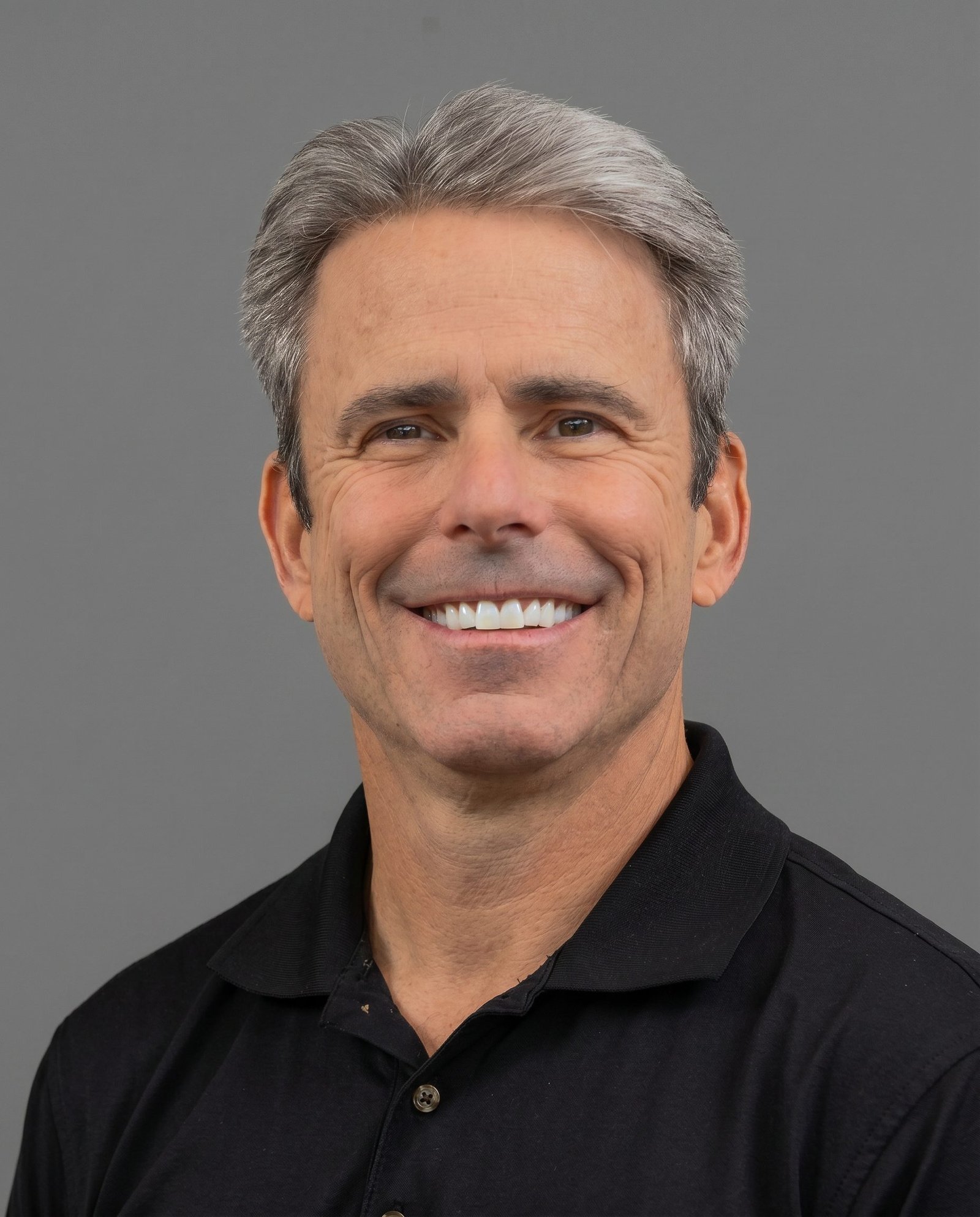
Dr. Darrell Kilcup, DC, CFMP, IBUM
In practice since 1991 · More than 35 years of clinical experience · Certified Functional Medicine Practitioner since 2015 · Telehealth nationwide
I’ve practiced in Phoenix since 1991 — more than 35 years of clinical experience — and I’ve focused on functional medicine since becoming one of the area’s first Certified Functional Medicine Practitioners in 2015. My work centers on the chronic, complicated cases conventional medicine hasn’t been able to solve — the people who’ve been told their illness is “complicated” and sent home to manage it rather than resolve it.
Mold illness is exactly that kind of case. When a patient arrives still sick after the standard mold protocol, I don’t see a dead end — I see a person who was treated like a building instead of a patient. I see functional medicine patients across the country by phone and video, so you don’t need to be in Arizona to work with me. Learn more about my approach.
Still sick doesn’t mean out of options
If you’re still unwell after everything you’ve tried, it isn’t because you did something wrong — it’s because mold was treated as the whole problem when it was only part of it. That’s a question worth answering properly. If you’re ready to look deeper, I’d be glad to help.
Questions before you start? Call (602) 864-0304.
 In Office
 By Phone
 Google 5.0


