
Key Takeaways
- Managing CRPS involves addressing overall well-being through diet, physical activity, and stress management.
- Hyperbaric Oxygen Therapy (HBOT) shows promise in reducing pain and improving function for CRPS patients.
- Clinical studies indicate HBOT is effective and well-tolerated, offering a potential alternative when other treatments fail.
Estimated reading time: 6 minutes
Living with CRPS? We treat complex pain differently.
At Kilcup Functional Medicine, we use clinical HBOT and functional medicine protocols to address the root causes of CRPS — not just the symptoms. Patients come to us when nothing else has worked.
📞 Call us: 602-864-0304 | Or scroll to the contact form at the bottom of this page.
If you’re in the Phoenix metro area — including Glendale, Peoria, Paradise Valley, or Scottsdale — and looking for CRPS treatment options beyond standard pain management, scroll to the bottom of this page.
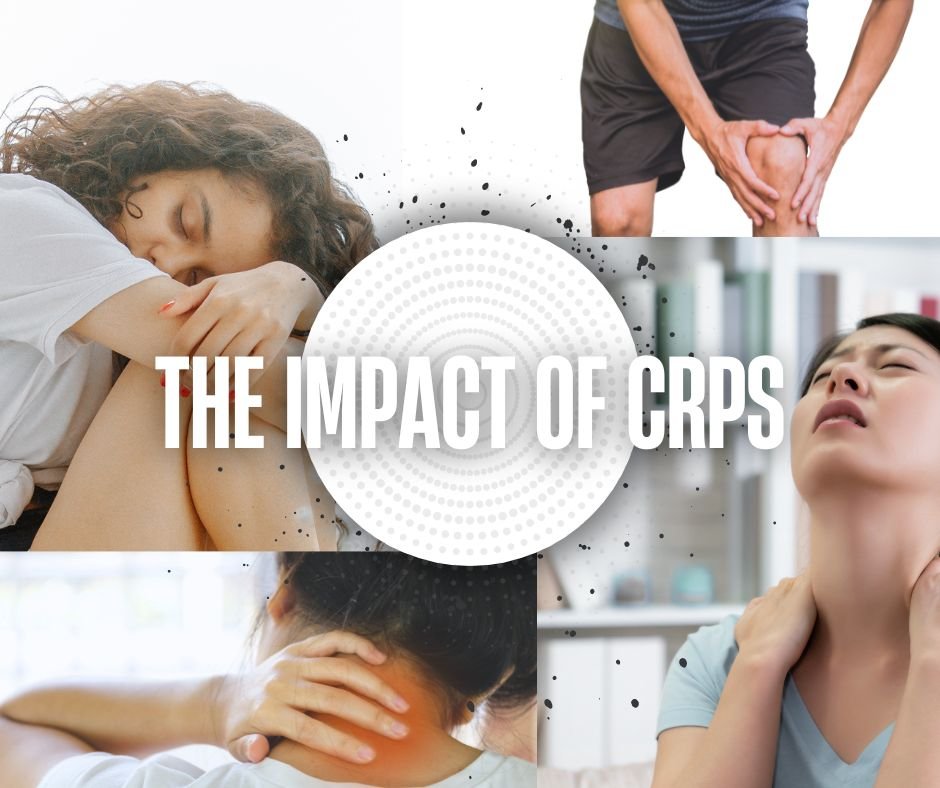
Does CRPS affect life expectancy? CRPS (or Complex Regional Pain Syndrome) is long-lasting pain in arms or legs that happens after an injury. CRPS causes intense pain, skin color changes, temperature fluctuations, and swelling and stiffness. It greatly affects a person’s quality of life, but does it also affect how long they will live? In this article, we will talk about how long people with CRPS can expect to live. Additionally, we will inform you about new therapies that can improve their lives.
Understanding CRPS and Its Impact
CRPS is a rare condition, affecting only about 200,000 people in the United States each year. It is more common in women and typically develops between the ages of 40 and 60. CRPS is thought to be caused by an abnormal nervous system response to injury or trauma.
The symptoms of CRPS can vary in severity and may include:
- Intense, burning pain
- Changes in skin color and temperature
- Swelling and stiffness in the affected area
- Changes in hair and nail growth
- Muscle spasms and weakness
- Limited range of motion
- Sensitivity to touch or cold
- Changes in skin texture
The pain associated with CRPS can be debilitating and can significantly impact a person’s daily life. It can make it challenging to perform simple tasks, such as getting dressed or cooking a meal. The constant pain can also lead to depression, anxiety, and other mental health issues.
CRPS Life Expectancy
The impact of CRPS on a person’s life expectancy is a common concern for those living with the condition. However, there is no evidence to suggest that CRPS directly affects life expectancy. CRPS is not a life-threatening condition, and with proper management, most people can live a long and fulfilling life.
However, the chronic pain associated with CRPS can lead to other health issues that may affect life expectancy. Constant stress can weaken the immune system, making a person more susceptible to infections and illnesses. Using pain medications to manage CRPS can harm the body, like causing damage to the liver or kidneys.
People with CRPS should focus on their overall well-being to reduce the risk of additional health issues. This includes maintaining a healthy diet, staying physically active, and managing stress levels.
Latest Treatments for CRPS
While there is no cure for CRPS, there are new treatments available to help manage the symptoms.
Hyperbaric Oxygen Therapy (HBOT) for CRPS
Hyperbaric Oxygen Therapy (HBOT) involves breathing pure oxygen through a mask inside a chamber pressurized with room air. The increased pressure drives far more oxygen into the bloodstream and plasma than is possible at normal pressure, which helps reduce inflammation and promote healing.
Studies have shown that HBOT can be effective in reducing pain and improving function in those with CRPS. It is a non-invasive treatment with minimal side effects, making it a safe option for those with chronic pain.
Case Study: HBOT for CRPS
The study discusses the successful treatment of lower limb CRPS using hyperbaric oxygen therapy. A 41-year-old man with CRPS type 2 after left ankle fracture had ongoing pain, swelling, sensitivity to touch. He was also unable to move freely despite multiple treatments.
After 15 treatments of HBOT in three weeks, the patient reported less pain, swelling, and sensitivity to touch. His range of motion also improved. His pain intensity decreased from 7/10 to 3.32/10, enabling him to return to work and resume activities like jogging. Additionally, his mood improved, with reduced anxiety and depression scores.
Follow-up assessments at one month and six months post-HBOT showed sustained benefits. HBOT might serve as a successful therapy for persistent CRPS, possibly providing relief where other treatments are unsuccessful.
From our clinic: One of our patients came to us after years of failed treatments for severe chronic pain — unable to work, barely sleeping due to pain. After a course of HBOT combined with a functional medicine workup that identified underlying gut dysbiosis and nutrient deficiencies, her pain scores dropped dramatically and she returned to part-time work within four months. Results vary by patient, but this is the outcome we work toward.
Clinical Trial: HBOT for CRPS
This study investigated the effectiveness of HBOT in treating patients with CRPS in a double-blind, randomized, placebo-controlled trial. 71 patients with CRPS were split into two groups. The control group received regular air, while the other group underwent HBO therapy. Both groups underwent 15 therapy sessions in a hyperbaric chamber.
The study found that people in the HBO group had less pain and swelling. They were also able to move their wrists more compared to the control group. Pain reduction started from the first session and continued to decrease further after the 15th session and at day 45 follow-up. Wrist flexion and reduced swelling improved significantly after HBOT compared to controls.
This study concludes that HBOT is effective and well-tolerated in reducing pain and edema while increasing range of motion in patients with CRPS — suggesting it may be a valuable alternative treatment option where other approaches have failed.
Why We Don’t Lead With Ketamine
Ketamine infusions are sometimes offered for CRPS, but the treatment requires repeated IV sessions, carries dissociative side effects and a controlled-substance profile, and works on pain perception in the brain rather than the underlying inflammation and oxygen-starved tissue driving CRPS. Hyperbaric oxygen therapy addresses that upstream biology directly — without the controlled-substance burden — which is why it’s our preferred starting point for the chronic-pain patients we see in our Phoenix office.
CRPS Specialist Serving Phoenix, Glendale & Peoria
If you or someone you love is living with CRPS, you don’t have to settle for symptom management alone. Dr. Kilcup has over 35 years of experience treating complex, hard-to-solve pain conditions — using clinical HBOT, red light therapy, and functional medicine protocols to address root causes, not just symptoms.
Instead of treating symptoms, functional medicine doctors focus on finding and fixing the underlying cause of CRPS. The inflammatory reaction and pain with CRPS can be driven by other problems in the body — toxins, chronic infections, intestinal dysbiosis, and nutrient deficiencies can all play a role. Dr. Kilcup runs comprehensive testing to determine which of these factors are at work in your specific case.
Our clinic is located in north Phoenix at 7016 N 27th Ave, easily accessible from Glendale, Peoria, Moon Valley, Deer Valley, Paradise Valley, and west Scottsdale. Most of our HBOT patients come from within a 20-minute drive of our office.
Ready to talk?
Call us at 602-864-0304 to find out if we’re the right fit for you. You can also use the contact form at the bottom of this page and we’ll get back to you promptly.
We work with patients from Phoenix, Glendale, Peoria, Moon Valley, Deer Valley, Paradise Valley, and the surrounding west valley.
 In Office
 By Phone
 Google 5.0


