

Estimated reading time: 16 minutes
How to Prevent a Second Stroke
After surviving a stroke, one question haunts most patients: “Will it happen again?”
The statistics are sobering—about 1 in 4 stroke survivors will experience another stroke, with the highest risk occurring in the first 90 days. But here’s the empowering truth: you have far more control over your brain health than you think.
The difference between living in fear and living with confidence comes down to understanding why your first stroke happened—and taking decisive action to address those root causes. This isn’t about simply taking more medications and hoping for the best. It’s about becoming an active participant in your recovery and long-term brain health.
In this guide, you’ll discover a functional medicine approach to stroke recurrence prevention that goes beyond standard care to address the underlying imbalances that put you at risk in the first place.
Key Takeaways | How to Prevent a Second Stroke
- Stroke recurrence prevention requires understanding and treating root causes, not just managing symptoms
- Functional medicine strategies address nutrition, hormones, inflammation, and vascular health as interconnected systems
- Low HDL cholesterol, high triglycerides, and chronic inflammation are critical but often overlooked risk factors
- Advanced therapies like Hyperbaric Oxygen Therapy and Red Light Therapy support brain healing and reduce future risk
- A personalized, root-cause approach empowers survivors to take control of their recovery and reduce recurrence risk by up to 80%
Why Stroke Survivors Face Such High Recurrence Risk
When you survive a stroke, your brain has sent a clear signal: something fundamental in your vascular system needs attention. According to the CDC, the top risk factors for stroke recurrence include prior stroke or TIA, high blood pressure, high cholesterol, diabetes, and atrial fibrillation.
But here’s what conventional medicine often misses: these aren’t isolated problems—they’re symptoms of deeper imbalances in your body’s interconnected systems.
The First 90 Days: Your Highest Risk Window | How to Prevent a Second Stroke
Research shows that stroke survivors face their greatest risk of recurrence within the first three months after their initial event. During this critical window, your brain is healing, your blood vessels are vulnerable, and any lingering inflammatory or clotting issues remain active.
This is precisely why a comprehensive, root-cause approach matters most right now. Waiting to “see what happens” or relying solely on blood thinners without addressing underlying causes leaves you unnecessarily vulnerable.
The Functional Medicine Difference: Treating Your Body as a Garden
Functional medicine views your body as a complex, interconnected ecosystem—like a garden where everything affects everything else. When one area suffers from poor nutrition, chronic stress, or hormonal imbalance, it impacts your brain health, blood vessel integrity, and stroke risk.
How This Approach Differs from Standard Care | How to Prevent a Second Stroke
Standard Care Approach:
- Prescribe blood thinners and blood pressure medications
- Monitor symptoms
- React to problems as they arise
Functional Medicine Approach:
- Identify why you had a stroke in the first place
- Address nutrition, hormones, inflammation, and metabolic health simultaneously
- Use advanced testing to uncover hidden risk factors
- Create a personalized prevention plan that reduces medication needs over time
- Integrate therapies that actively heal brain tissue and blood vessels
Think of it this way: standard care puts a bandage on the problem. Functional medicine heals the wound and strengthens your entire system so it doesn’t happen again.
Root Causes You Must Address to Prevent a Second Stroke
1. Inflammation & Vascular Damage: The Silent Threat |How to Prevent a Second Stroke
Chronic inflammation damages the delicate lining of your blood vessels (called the endothelium), making them more prone to plaque buildup, clots, and rupture. This inflammation doesn’t show up in routine blood work, but it’s one of the most powerful predictors of stroke recurrence.
Key inflammatory markers to test:
- High-sensitivity C-reactive protein (hs-CRP)
- Homocysteine
- Fibrinogen
- Oxidized LDL
What drives inflammation:
- Poor diet high in processed foods and sugar
- Chronic stress and elevated cortisol
- Autoimmune conditions (lupus, rheumatoid arthritis)
- Poor sleep or untreated sleep apnea
- Insulin resistance and metabolic syndrome
2. The Cholesterol Story You Haven’t Been Told | How to Prevent a Second Stroke
While most doctors focus exclusively on LDL (“bad cholesterol”), the real story is more nuanced—and more important for preventing your next stroke.
Low HDL cholesterol (the “good” kind) is actually a stronger predictor of future strokes than high LDL. HDL is responsible for removing cholesterol from your arteries and transporting it back to your liver. When HDL is low, this cleanup system fails, allowing dangerous plaque to accumulate.
High triglycerides signal that your body is overwhelmed by dietary sugars and carbohydrates, leading to insulin resistance and the production of small, dense LDL particles—the most dangerous type for your arteries.
The combination of low HDL and high triglycerides creates a metabolic perfect storm that includes:
- Fatty liver disease
- Poor mitochondrial function (your cellular energy factories)
- Increased oxidative stress
- Accelerated arterial plaque formation
Advanced lipid markers you need:
- Apolipoprotein B (ApoB) – measures particle number
- Lipoprotein(a) [Lp(a)] – genetic risk factor
- LDL particle size and number
- Triglyceride/HDL ratio (should be under 2:1)
3. Blood Pressure: The Brain’s Breaking Point | How to Prevent a Second Stroke
Hypertension damages small blood vessels in your brain over time, making them prone to rupture (hemorrhagic stroke) or blockage (ischemic stroke). But blood pressure isn’t just about salt intake—it’s influenced by:
Hormonal factors:
- Cortisol from chronic stress
- Thyroid imbalances
- Insulin resistance
- Perimenopause and menopause changes
Lifestyle factors:
- Sleep apnea (raises BP dramatically)
- Poor sleep quality
- Chronic pain or inflammation
- Dehydration
4. Hormonal Imbalances: The Overlooked Risk Factor
Hormones play a crucial but often ignored role in stroke risk, particularly for women:
Estrogen and blood vessels:
- Estrogen helps keep blood vessels flexible and healthy
- During perimenopause and menopause, declining estrogen can reduce vascular elasticity
- Sudden drops in estrogen may trigger vascular events
Hormone therapy considerations:
- Birth control pills can increase clotting risk in susceptible individuals
- Hormone replacement therapy requires careful evaluation of type, dose, timing, and delivery method
- Not all hormone therapy increases risk—bioidentical hormones may offer protection when used appropriately
Pregnancy-related history:
- Preeclampsia, gestational diabetes, or HELLP syndrome leave lasting vascular changes
- Women with these histories have elevated stroke risk decades later
Stress hormones:
- Chronic elevation of cortisol raises blood pressure and inflammation
- Caregiving stress, work pressure, and emotional trauma all contribute
- Stress management isn’t optional—it’s essential medicine
5. Blood Clotting Tendencies
Some people have an increased tendency to form blood clots due to:
Genetic factors:
- Factor V Leiden mutation
- Prothrombin gene mutation
- MTHFR gene variants (affecting homocysteine metabolism)
Acquired conditions:
- Atrial fibrillation (irregular heartbeat)
- Antiphospholipid syndrome
- Previous history of blood clots
Lifestyle factors:
- Prolonged sitting or immobility
- Dehydration
- Smoking
6. Sleep Disruption and Sleep Apnea
Poor sleep doesn’t just make you tired—it dramatically increases stroke risk through multiple mechanisms:
- Raises blood pressure during sleep
- Increases inflammation
- Disrupts blood sugar regulation
- Prevents proper brain detoxification (your brain’s “glymphatic system” clears waste during deep sleep)
Obstructive sleep apnea affects up to 70% of stroke survivors and doubles your risk of recurrence if left untreated.
Your Personalized Stroke Prevention Plan
Step 1: Advanced Testing to Uncover Hidden Risks
Working with a functional medicine provider, you should assess:
Cardiovascular & Metabolic:
- Advanced lipid panel (ApoB, Lp(a), particle size and number)
- Insulin, hemoglobin A1c, fasting glucose
- Blood pressure monitoring (24-hour ambulatory monitoring if needed)
Inflammation & Oxidative Stress:
- High-sensitivity CRP
- Homocysteine
- Oxidized LDL
- Myeloperoxidase
Hormonal Assessment:
- Complete thyroid panel (TSH, Free T3, Free T4, antibodies)
- Sex hormones (estrogen, progesterone, testosterone)
- Cortisol (salivary or urinary 4-point test)
- DHEA
Clotting & Genetics:
- Fibrinogen
- D-dimer
- Genetic testing for clotting disorders if indicated
Sleep Quality:
- Sleep study if snoring, daytime fatigue, or witnessed apnea episodes
This comprehensive approach reveals the specific imbalances driving your stroke risk—not just generic risk factors.
Step 2: Nutrition That Heals Your Vascular System | How to Prevent a Second Stroke

An anti-inflammatory meal rich in omega-3s, antioxidants, and fiber supports vascular health and reduces stroke recurrence risk.
Your diet is medicine for your blood vessels and brain. Here’s what works:
Anti-inflammatory foundation:
- Leafy greens (spinach, kale, collards) – rich in nitrates that support blood vessel function
- Colorful vegetables (peppers, tomatoes, carrots, beets)
- Berries (blueberries, strawberries) – powerful antioxidants
- Fatty fish (salmon, sardines, mackerel) – omega-3s reduce inflammation 2-3 times per week
- Extra virgin olive oil – supports endothelial health
Fiber for cholesterol management:
- Oats, barley, quinoa
- Beans and lentils
- Vegetables
- Target: 35-40 grams of fiber daily
Hormone-supportive foods:
- Flaxseeds (ground, 1-2 tablespoons daily)
- Chia seeds
- Pumpkin seeds
- Cruciferous vegetables (broccoli, cauliflower, Brussels sprouts)
Foods to minimize or eliminate:
- Processed foods with trans fats
- Refined sugars and high-fructose corn syrup
- Excessive alcohol (increases blood pressure and triglycerides)
- High sodium processed foods
- Fried foods
Hydration:
- Aim for half your body weight in ounces of water daily
- Dehydration thickens blood and raises clotting risk
Step 3: Lifestyle Medicine—Daily Habits That Protect Your Brain
Stress management (non-negotiable):
- Deep breathing exercises: 5-10 minutes, twice daily
- Mindfulness or meditation: even 5 minutes reduces cortisol
- Yoga or tai chi: combines movement, breath, and stress relief
- Nature walks: reduce blood pressure and inflammation
- Therapy or counseling: emotional healing is vascular healing
Sleep hygiene:
- 7-8 hours per night (this is when your brain repairs itself)
- Consistent sleep and wake times
- Dark, cool bedroom
- Screen-free zone 1 hour before bed
- Address sleep apnea if present
Movement that matters:
- 30 minutes of moderate aerobic activity most days (walking, cycling, swimming)
- Gentle strength training 2-3 times per week
- Flexibility work (yoga, stretching)
- Break up sitting every 30-60 minutes
- Start slowly and build gradually—overexertion can be counterproductive
Emotional resilience practices:
- Journaling: process stress and track progress
- Gratitude practice: shifts nervous system out of stress mode
- Social connection: isolation increases stroke risk
- Purpose and meaning: gives your recovery direction
Step 4: Targeted Supplementation (Under Professional Guidance)
While food comes first, certain supplements can support stroke prevention:
For inflammation:
- Omega-3 fatty acids (EPA/DHA): 2-3 grams daily
- Curcumin (from turmeric): with black pepper for absorption
For vascular health:
- Magnesium: supports blood pressure and vessel relaxation
- CoQ10: especially important if taking statin medications
- Vitamin K2: directs calcium into bones, out of arteries
For homocysteine (if elevated):
- Methylated B vitamins (B6, B12, folate)
For antioxidant support:
- Vitamin E (mixed tocopherols)
- Vitamin C
Always work with a knowledgeable provider to determine appropriate doses and avoid interactions with medications.
Advanced Integrative Therapies for Brain Recovery
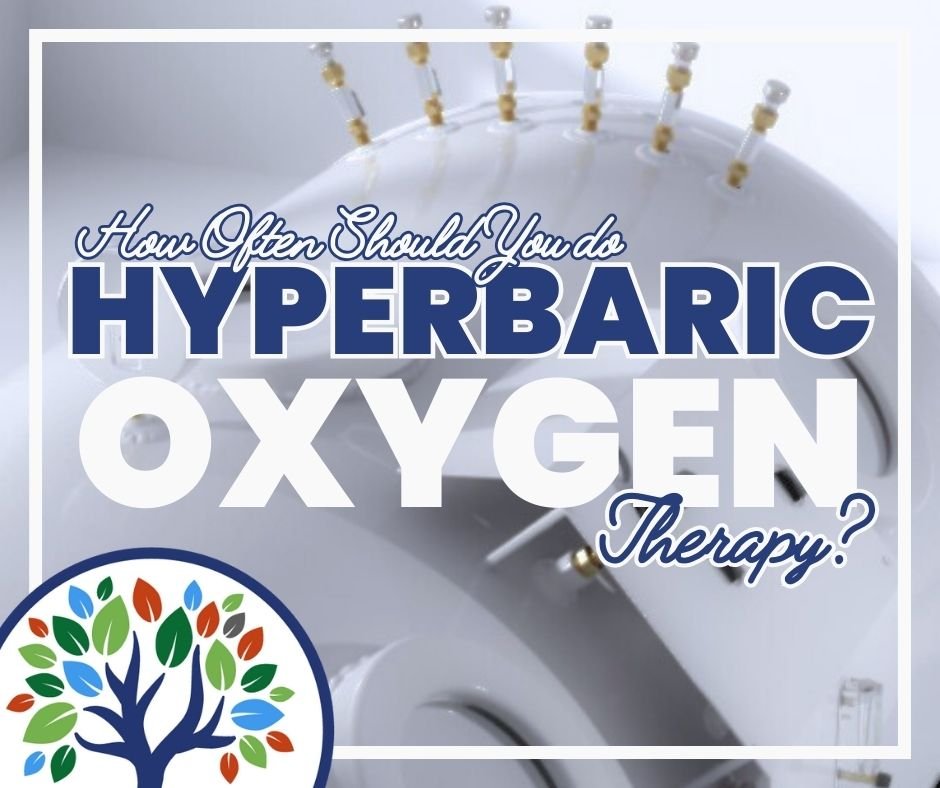
Hyperbaric Oxygen Therapy delivers concentrated oxygen to heal brain tissue and promote new blood vessel growth after stroke.
Hyperbaric Oxygen Therapy (HBOT): Healing at the Cellular Level
Hyperbaric Oxygen Therapy involves breathing pure oxygen in a pressurized chamber, allowing oxygen to dissolve directly into your blood plasma, cerebrospinal fluid, and tissues—reaching areas that damaged blood vessels can’t adequately supply.
How HBOT supports stroke recovery and prevention:
- Enhances neuroplasticity: Helps your brain create new neural pathways around damaged areas
- Reduces inflammation: Lowers inflammatory markers throughout the vascular system
- Promotes angiogenesis: Stimulates growth of new blood vessels to restore circulation
- Decreases oxidative stress: Paradoxically, controlled oxygen exposure strengthens antioxidant defenses
- Supports cellular repair: Energizes mitochondria and accelerates healing
- Reduces brain swelling: Helpful in the post-stroke recovery phase
Typical protocol: 40-60 sessions over 8-12 weeks, though this varies based on individual needs and response.
Red Light Therapy (RLT): Powering Your Cellular Engines
Red Light Therapy uses specific wavelengths of light (typically 660nm and 850nm) that penetrate tissue and are absorbed by mitochondria—your cells’ energy-producing powerhouses.
How RLT supports stroke recovery and prevention:
- Boosts mitochondrial function: Increases ATP (cellular energy) production
- Reduces inflammation: Lowers pro-inflammatory cytokines
- Promotes vascular repair: Supports endothelial healing
- Decreases oxidative stress: Enhances antioxidant enzyme activity
- Supports neuroprotection: May help protect brain cells from further damage
- Improves circulation: Enhances microcirculation and oxygen delivery
Typical protocol: 10-20 minutes per session, 3-5 times per week, often combined with other therapies.
The Synergistic Approach
HBOT and Red Light Therapy complement each other beautifully and work synergistically with nutrition, lifestyle changes, and appropriate medications. They’re not replacements for medical care—they’re powerful additions that address stroke recovery and prevention at the cellular level.
Important note: These therapies are typically not covered by insurance for stroke recovery, but many clinics offer private-pay options or trial packages.
Real Recovery: Doug’s Transformation | How to Prevent a Second Stroke
Before: Life After Loss
After his stroke, Doug wasn’t just physically impaired—he had lost the essence of who he was. His emotions disappeared. His warm, friendly, chatty personality vanished. He couldn’t drive, couldn’t work, and felt trapped in a body and mind he no longer recognized.
For Doug and his family, the fear of another stroke was constant. But equally devastating was watching him lose his identity, his independence, and his joy.
The Investigation: Finding the Root Causes
Through comprehensive functional medicine testing, we discovered the underlying factors that caused Doug’s stroke and put him at high risk for recurrence:
- Severe vascular inflammation
- High oxidative stress damaging blood vessels
- Impaired blood flow to the limbic system (the emotional center of the brain)
- Metabolic imbalances affecting energy production
- Elevated clotting markers
These weren’t just numbers on a lab report—they were the roadmap to Doug’s recovery and his prevention plan.
The Recovery: A Personalized Protocol
Doug committed to a comprehensive program that included:
- 40 Hyperbaric Oxygen Therapy sessions to restore blood flow and reduce inflammation
- Regular Red Light Therapy to support mitochondrial function and vascular repair
- Targeted nutritional changes to reduce inflammation and support brain healing
- Specific supplementation based on his test results
- Stress management practices to support nervous system recovery
The Transformation: Doug Returns
Over the course of several months, something remarkable happened. Doug’s blood flow improved. His inflammatory markers decreased. Most importantly, his limbic brain function began to restore.
Slowly at first, then more dramatically, Doug came back. He started talking again—really talking, with emotion and personality. He laughed. He drove. He returned to work. His family got their husband, father, and friend back.
Today, Doug continues his maintenance protocol with confidence. He understands why his stroke happened and what he needs to do to prevent another one. He’s not just surviving—he’s thriving, with significantly reduced reliance on medications.
[Read Doug’s complete case study →]
Your Daily Brain & Vascular Health Reset
Consistency matters more than perfection. Here’s your simple daily checklist for stroke prevention:
| Daily Action | Why It Matters | Time Required |
|---|---|---|
| Eat leafy greens + berries | Reduces inflammation, supports vessel health | Throughout meals |
| 5-minute breathwork session | Lowers stress, blood pressure, and inflammation | 5 minutes, 2x daily |
| Movement (walk or gentle exercise) | Strengthens heart-brain connection, improves circulation | 30 minutes |
| Sleep check (quality + duration) | Supports blood pressure regulation, reduces recurrence risk | 7-8 hours |
| Reflection (journal/gratitude) | Builds emotional resilience and internal locus of control | 5-10 minutes |
| Hydration | Prevents blood from thickening, reduces clot risk | Throughout day |
| Medications as prescribed | Complements natural strategies | As directed |
.
Frequently Asked Questions
Can I stop my medications if I follow a natural plan?
No—and this is critical. Integrative and functional medicine strategies are designed to complement your prescribed medications, not replace them. Many patients find that as their underlying health improves, their doctors can reduce medication doses over time—but this must always be done under medical supervision.
Never stop blood thinners, blood pressure medications, or any stroke prevention drugs without guidance from your physician.
How long after a stroke should I start lifestyle changes?
As soon as you’re medically cleared by your healthcare team. Many gentle interventions—like eating anti-inflammatory foods, practicing deep breathing, and beginning light movement—can start within days to weeks after your stroke.
The key is to start gradually and build consistency. Your brain is healing, and you want to support that process without overwhelming your system.
Is Hyperbaric Oxygen Therapy covered by insurance for stroke recovery?
Rarely. Most insurance companies don’t cover HBOT for stroke recovery, though coverage may be available in the acute phase in some cases. Many HBOT clinics offer private-pay options, package pricing, or trial sessions to make treatment more accessible.
The investment in HBOT often pays for itself by reducing future medical costs, improving quality of life, and potentially reducing medication needs.
Can I prevent stroke recurrence even if I don’t have “traditional” risk factors?
Yes—and this is where functional medicine shines. Many stroke survivors have normal cholesterol, acceptable blood pressure, and no diabetes, yet still experienced a stroke. Functional medicine testing can uncover hidden factors like:
- Chronic inflammation
- Hormonal imbalances
- Genetic clotting tendencies
- Sleep apnea
- Elevated homocysteine
- Autoimmune conditions
- Chronic stress and elevated cortisol
By identifying and addressing these subtler risk factors, you can dramatically reduce your recurrence risk.
Will hormone therapy always increase my stroke risk?
It depends on multiple factors:
- Type of hormones: Bioidentical vs. synthetic
- Dose and form: Oral vs. transdermal (patches, creams)
- Timing: Starting in early menopause vs. years later
- Individual risk factors: Personal and family history
- Other health conditions: Clotting disorders, cardiovascular health
Some forms of hormone therapy may actually offer vascular protection when used appropriately in the right candidates. This requires personalized evaluation with a provider experienced in functional hormone management.
How long am I at highest risk for another stroke?
The highest risk is in the first 90 days after your initial stroke, with some studies showing up to 10% recurrence in this window. Risk remains elevated for the first year and continues at a higher rate than the general population indefinitely.
This is why immediate, comprehensive intervention is so important. The sooner you address root causes, the more you reduce your long-term risk.
What foods should I avoid after a stroke?
Minimize or eliminate:
- Processed meats (high in sodium and preservatives)
- Trans fats (in many packaged baked goods and fried foods)
- Refined sugars and high-fructose corn syrup
- Excessive salt (especially if you have high blood pressure)
- Fried foods
- Highly processed packaged foods
- Excessive alcohol
Focus on whole, unprocessed foods as close to their natural state as possible.
Can stress really cause a second stroke?
Absolutely. Chronic stress:
- Raises blood pressure
- Increases inflammation throughout your body
- Triggers the release of stress hormones that damage blood vessels
- Disrupts sleep
- May lead to unhealthy coping behaviors (poor diet, smoking, alcohol)
- Affects blood clotting factors
Managing stress isn’t a “nice to have”—it’s essential medicine for stroke prevention.
Take Control of Your Brain Health Today
Preventing a second stroke isn’t about living in fear or simply hoping your medications will be enough. It’s about understanding the root causes that led to your first stroke and actively addressing them through a comprehensive, personalized approach.
By combining:
- Targeted nutrition that heals your vascular system
- Lifestyle practices that reduce inflammation and stress
- Advanced testing that reveals hidden risk factors
- Integrative therapies like HBOT and Red Light Therapy
- Appropriate medications under medical supervision
…you create a powerful prevention strategy that addresses stroke risk at every level—from your cells to your blood vessels to your brain.
Your health is like a garden. It needs attention, care, and the right conditions to thrive. When you nurture each element—nutrition, stress management, sleep, movement, emotional health—you create resilience that protects you for years to come.
Ready to Create Your Personalized Stroke Prevention Plan?
At Dr. Kilcup Functional Medicine Center, we specialize in helping stroke survivors uncover the root causes of their stroke and create comprehensive recovery and prevention plans. With 35 years of experience in functional medicine, chiropractic care, and integrative therapies including Hyperbaric Oxygen Therapy and Red Light Therapy, we offer the expertise and support you need.
Schedule your stroke prevention consultation today and discover:
- Which hidden risk factors are putting you at risk
- Your personalized nutrition and lifestyle plan
- Whether advanced therapies like HBOT could support your recovery
- How to reduce your recurrence risk while improving overall health
Your next stroke is not inevitable. Take action now.
[Schedule Your Consultation →] | [Call: 602-864-0304]
Disclaimer: This information is for educational purposes and does not replace medical advice. Always consult with your healthcare provider before making changes to your treatment plan.

 Google 5.0


