Why Standard Tests Might Not Tell the Full Story
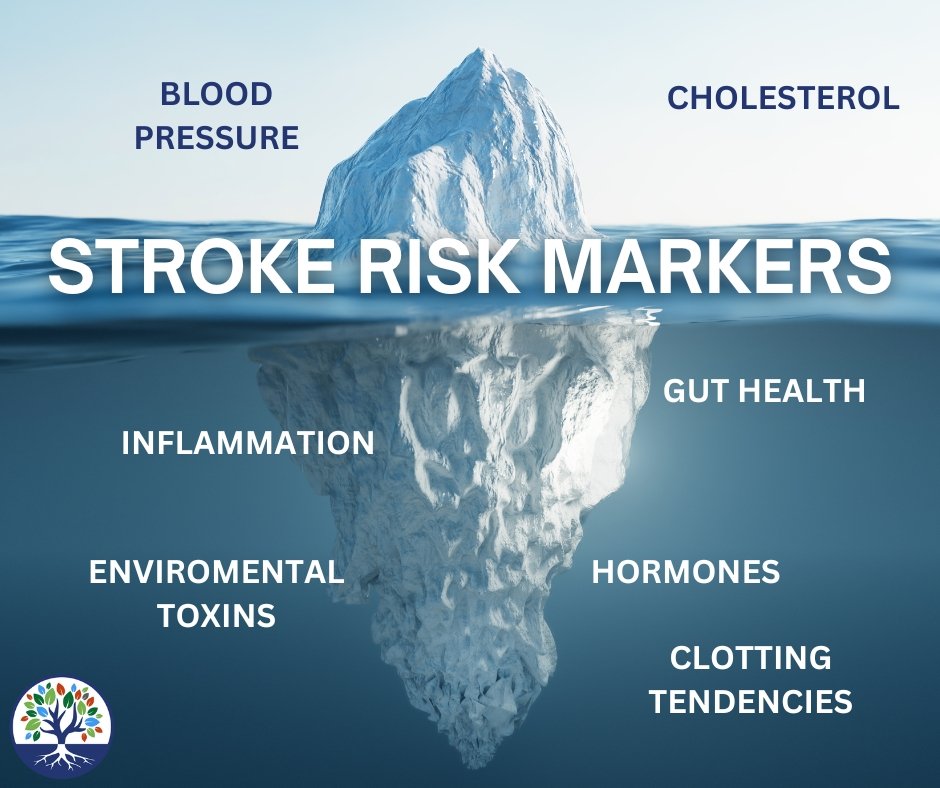
Many stroke survivors focus on blood pressure and cholesterol, but there are hidden factors your doctor may not test that significantly increase your risk. Furthermore, these overlooked markers can include inflammation, clotting tendencies, hormone imbalances, gut health issues, and toxin exposures. Understanding and addressing these root causes is crucial for preventing a second stroke and protecting long-term brain and vascular health. Learn more about these hidden factors your doctor may not test in our comprehensive guide.
Hidden Stroke Risk Markers

1. Inflammation & Oxidative Stress | Stroke Risk Markers
Chronic inflammation silently damages blood vessels and increases clotting risk. Standard labs may measure CRP, but deeper testing can reveal oxidative stress, inflammatory cytokines, and mitochondrial dysfunction—factors that directly impact brain health and stroke recurrence risk.
2. Hormonal Imbalances | Stroke Risk Markers
Secondly, fluctuations in estrogen, progesterone, and thyroid hormones can affect arterial elasticity, blood clotting, and vascular inflammation. This is especially relevant for survivors in perimenopause, menopause, postpartum, or those using hormone-based therapies.
3. Gut Health Issues
Emerging research links gut dysfunction to cardiovascular risk:
- Leaky gut triggers systemic inflammation.
- Gluten sensitivity or food intolerances can drive chronic inflammation.
- Gut infections or dysbiosis impair nutrient absorption and increase vascular stress.
4. Hidden Clotting Risks
Genetic clotting tendencies, high fibrinogen, and atrial fibrillation can raise thrombotic risk without showing up on routine labs. Functional testing identifies these hidden threats before they cause harm.
5. Environmental Toxins
Heavy metals, mold, pesticides, and chemical exposures contribute to:
- Oxidative stress
- Mitochondrial dysfunction
- Systemic inflammation
These effects can directly increase stroke risk, even if your cholesterol and blood pressure appear “normal.”
How Functional Medicine Addresses Hidden Stroke Risk Markers
A personalized approach targets these overlooked markers:
- Advanced testing to uncover inflammation, mitochondrial health, hormone balance, gut integrity, and toxins.
- Lifestyle and nutrition to reduce inflammation, support vascular health, and restore gut balance.
- Integrative therapies such as Hyperbaric Oxygen Therapy (HBOT) and Red Light Therapy (RL) to improve circulation, cellular repair, and cognitive recovery.
- Stress and sleep interventions to lower blood pressure, inflammation, and clotting risk.
Start Today!
Stroke recurrence prevention isn’t just about standard labs and medications. Hidden factors like inflammation, gut health, hormones, and toxins can dramatically influence risk. Identifying and addressing these root causes empowers survivors to protect their brains and live confidently after a stroke.
My office has helped many stroke survivors achieve a better quality of life through Functional Medicine and Hyperbaric Oxygen Therapy (HBOT). If you want to see what we can do to help you, you can reach out at (602) 864-0304 or fill out the Stroke New Patient Form below.
Read Doug’s full stroke recovery story and how addressing root causes restored his health