
Here’s What You Need to Know Right Now | Gut Health and Stroke Risk
- Your gut controls inflammation – and inflammation causes strokes
- Leaky gut lets toxins into your blood – damaging your arteries and brain
- Bad gut bacteria make stroke-causing chemicals – even if you eat “healthy”
- Standard stroke care completely misses this – but functional medicine testing reveals it
- You can heal your gut – and dramatically lower your stroke risk
Estimated reading time: 13 minutes
Introduction: The Stroke Factor Nobody’s Talking About
Let me be blunt: If you’ve had a stroke and your doctor hasn’t tested your gut health, you’re missing a huge piece of the puzzle.
After a stroke, everyone focuses on blood pressure and cholesterol. Those matter, but there’s something more powerful quietly increasing your risk of another stroke: your gut.
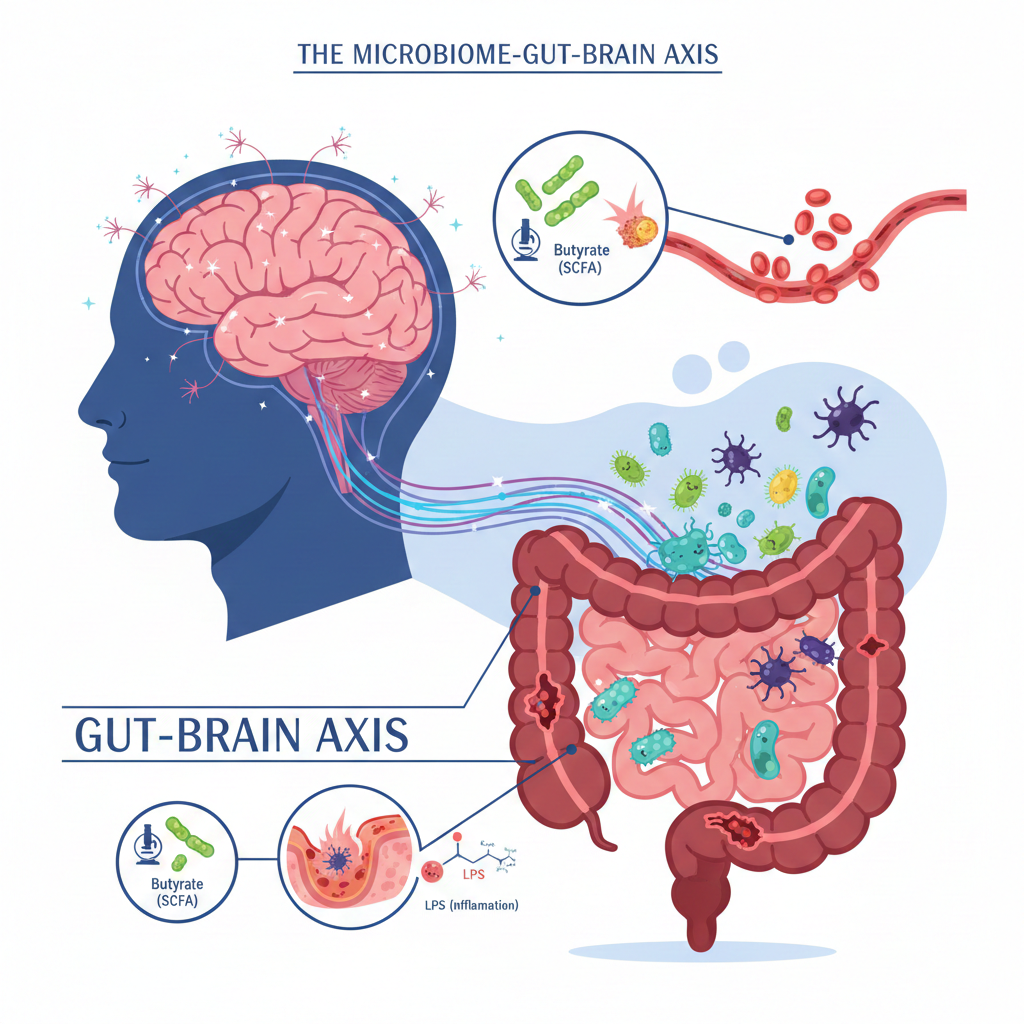
The trillions of bacteria living in your digestive tract aren’t just digesting food. They’re in constant communication with your brain through something called the gut-brain axis. And here’s what most doctors don’t tell you:
When your gut is inflamed and out of balance, it’s actively creating the conditions for a stroke.
I’m talking about:
- Chronic inflammation that damages your blood vessels
- Toxins leaking into your bloodstream
- Chemicals that promote blood clots
- A weakened blood-brain barrier that can’t protect your brain
This isn’t theoretical. I see this in testing every single week. And when we fix the gut, we see stroke risk drop and recovery accelerate.
Let me show you exactly how this works and what you can do about it.
The Three Ways Your Gut Causes Strokes (That Nobody Told You About)
Way #1: Leaky Gut Triggers the Inflammation That Damages Your Arteries
Here’s what happens when your gut lining gets damaged:
Normally, your gut lining is like a tight security gate – it lets nutrients through but keeps bacteria and toxins out. But when that lining breaks down (we call this “leaky gut”), bacterial toxins—especially something called LPS (lipopolysaccharide)—leak into your bloodstream.
And then all hell breaks loose:
- Your immune system detects these toxins
- It triggers inflammation throughout your entire body
- That inflammation attacks the lining of your blood vessels
- Your arteries get damaged and stiff
- Plaques form
- Blood clots become more likely
- Stroke risk skyrockets
Your inflammatory markers (like hs-CRP and homocysteine) go up. Your blood vessels get damaged. And your risk of another stroke keeps climbing—even if your blood pressure and cholesterol look “normal.”
This is NOT about eating “bad” foods. This is about a broken gut barrier letting toxins into your blood 24/7.
Way #2: Your Gut Bacteria Are Making Stroke-Causing Chemicals
Stay with me here because this is important:
Certain bacteria in your gut produce a chemical called TMAO (Trimethylamine N-oxide) when they break down nutrients from meat, eggs, and dairy.
High TMAO levels are directly linked to:
- Atherosclerosis (plaque buildup in arteries)
- Heart attacks
- Strokes
Here’s the kicker: Two people can eat the same diet and produce completely different amounts of TMAO. Why? Because it depends on which bacteria are living in their gut.
If you have the wrong balance of bacteria (dysbiosis), you’re producing more TMAO—even if you’re eating “healthy.”
But here’s the good news: You can change your gut bacteria. And when you do, TMAO production drops.
Way #3: A Damaged Gut Breaks Down Your Brain’s Protective Barrier
Your brain has a protective shield called the blood-brain barrier (BBB). It’s supposed to keep inflammatory chemicals and toxins OUT of your brain tissue.
A healthy gut helps maintain that barrier. A damaged gut breaks it down.
Here’s how:
- Beneficial gut bacteria produce compounds called short-chain fatty acids (especially butyrate)
- Butyrate is powerfully anti-inflammatory
- It strengthens the blood-brain barrier
- It protects brain cells
When your gut is inflamed:
- Butyrate production drops
- The blood-brain barrier weakens
- Inflammatory molecules reach your brain
- Brain damage gets worse during a stroke
- Recovery after stroke is slower
This is why gut health isn’t just about digestion. It’s about protecting your brain.
Doug’s Story: How We Found What Standard Care Missed
Let me tell you about Doug.
Doug was 65 when he had his stroke. When he came to see me, he’d already been through the standard medical system. He was on medications. He’d done rehab.
But something was wrong.
Doug had lost his emotions. His personality was flat. He couldn’t drive. He couldn’t work. His family said it was like losing him even though he was still physically there.
Standard care had stabilized him, but he wasn’t recovering. And nobody could tell him why.
So we ran the testing that standard care doesn’t do.
Here’s what we found:
Doug’s Hidden Stroke Risk Factors:
Severe Gut Inflammation:
- Calprotectin elevated (showing active gut inflammation)
- hs-CRP high (systemic inflammation)
- Homocysteine elevated (vascular inflammation)
Leaky Gut:
- Zonulin markers way up (indicating increased intestinal permeability)
- LPS antibodies elevated (toxins leaking into blood)
Gluten Sensitivity:
- Anti-gliadin antibodies positive
- Every time he ate gluten, his immune system attacked his gut lining
Gut Infections and Dysbiosis:
- Overgrowth of harmful bacteria
- Low levels of protective bacteria
- Gut producing inflammatory chemicals instead of healing compounds
High TMAO Levels:
- His gut bacteria were producing stroke-causing metabolites
- Even though his diet wasn’t terrible
The conventional approach had completely missed this.
His doctors saw “normal” cholesterol and blood pressure and assumed they’d done everything they could. But his gut was quietly driving inflammation, producing toxins, and keeping his brain from healing.
Here’s What We Did:
1. Eliminated the inflammatory triggers:
- Removed gluten (his immune system was attacking it)
- Removed processed foods and inflammatory oils
- Reduced meat (especially grain-fed beef that feeds TMAO-producing bacteria)
2. Healed the gut lining:
- High-fiber, plant-rich diet (30+ different plant foods per week)
- Fermented foods daily (sauerkraut, kefir)
- Targeted nutrients to repair the gut barrier
3. Restored beneficial bacteria:
- Specific probiotic strains shown to reduce inflammation
- Prebiotic foods to feed good bacteria
- Eliminated foods that were feeding harmful bacteria
4. Reduced systemic inflammation with integrative therapies:
- Hyperbaric Oxygen Therapy (HBOT) – 40 sessions to reduce inflammation, improve oxygen delivery, support tissue repair
- Red Light Therapy – to improve mitochondrial function and reduce oxidative stress
The Transformation:
Within weeks, Doug’s inflammatory markers started dropping.
Over the following months:
- His personality came back
- His emotions returned
- His cognitive function improved dramatically
- He could drive again
- He went back to work
Healing his gut was essential to healing his brain.
Read more about addressing all the hidden stroke root causes
How Functional Medicine Actually Fixes This (Instead of Just Guessing)
Here’s the difference between standard care and what we do:
Standard care: Manages symptoms. Prescribes medications. Hopes for the best.
Functional medicine: Tests to find the root cause. Fixes what’s broken. Measures to confirm it’s working.
Step 1: Comprehensive Gut Testing (What Standard Labs Miss)
Stool Analysis shows:
- Which bacteria you have (good vs. harmful)
- Active infections or parasites
- Inflammation levels in the gut (calprotectin)
- Gut permeability markers (zonulin for leaky gut)
- Digestive enzyme function
- Whether you’re actually absorbing nutrients
Inflammatory Markers reveal:
- hs-CRP (systemic inflammation)
- Homocysteine (vascular damage)
- LPS antibodies (gut toxins in the blood)
Metabolite Testing measures:
- TMAO levels (stroke-causing chemical from gut bacteria)
- Short-chain fatty acids (protective compounds that should be high)
- Organic acids (showing bacterial overgrowth patterns)
This isn’t guesswork. We’re measuring exactly what’s wrong so we can fix it.
Step 2: Targeted Nutrition to Heal the Gut and Lower Stroke Risk
Once we know what’s broken, here’s how we fix it:
Increase Fiber and Feed the Good Bacteria:
You need to eat foods that feed beneficial bacteria. These bacteria then produce butyrate—one of the most powerful anti-inflammatory compounds in your body.
Foods that produce butyrate:
- Asparagus, garlic, onions, leeks
- Legumes, lentils, beans
- Whole grains (if tolerated)
- Jerusalem artichoke
- Resistant starch (cooled potatoes, cooked and cooled rice)
Butyrate does three critical things:
- Heals your gut lining (stops leaky gut)
- Reduces inflammation throughout your body
- Strengthens your blood-brain barrier
Goal: 30-40 grams of fiber per day from diverse plant sources.
Restore Beneficial Bacteria:
Add bacteria that actually help you:
- Fermented foods: sauerkraut, kimchi, kefir, yogurt (unsweetened)
- Targeted probiotic supplements with specific strains:
- Lactobacillus plantarum (reduces inflammation)
- Bifidobacterium longum (supports gut barrier)
- Lactobacillus rhamnosus (reduces gut permeability)
Eliminate Inflammatory Triggers:
Based on testing, we often need to temporarily remove:
- Gluten (especially if antibodies are present)
- Dairy (if causing inflammation)
- Refined sugars (feed harmful bacteria)
- Processed foods with emulsifiers and artificial sweeteners (damage gut lining)
- Vegetable oils (inflammatory omega-6 fats)
Reduce TMAO Production:
Remember, TMAO is that stroke-causing chemical made by certain gut bacteria.
Here’s how to lower it:
If you eat red meat:
- Choose grass-fed organic beef when possible
- Contains less L-carnitine (the TMAO precursor)
- Better omega-3 to omega-6 ratio
- Less inflammatory overall
- Keep portions small (3-4 oz)
- Eat it with abundant fiber-rich vegetables and fermented foods
But here’s what matters most: The composition of your gut bacteria determines how much TMAO you produce. People eating mostly plants with high fiber produce minimal TMAO even when they occasionally eat meat.
Bottom line: Your overall dietary pattern matters more than any single food.
To reduce TMAO:
- Limit or eliminate red meat and high-fat dairy
- Increase plant-based proteins (legumes, nuts, seeds)
- Boost fiber intake (feeds bacteria that DON’T produce TMAO)
- Use targeted probiotics to shift bacterial populations
- Consider intermittent fasting (under medical supervision)
Step 3: Lifestyle Strategies That Support Gut-Brain Health
Stress Management:
Chronic stress destroys your gut microbiome. Not exaggerating—stress literally changes which bacteria grow in your gut, and it shifts them toward the inflammatory, TMAO-producing varieties.
What to do:
- Daily stress reduction: meditation, yoga, deep breathing
- 7-9 hours of quality sleep
- Regular movement (even gentle walking)
- Address trauma or chronic stress with professional support
Sleep Optimization:
Poor sleep disrupts your gut bacteria and increases inflammation. It’s a vicious cycle.
Sleep hygiene basics:
- Consistent sleep/wake times
- Dark, cool bedroom
- No screens 1 hour before bed
- Address sleep apnea if present (common after stroke)
Step 4: Integrative Therapies That Accelerate Gut and Brain Healing
Hyperbaric Oxygen Therapy (HBOT):
HBOT isn’t just for brain healing—it also reduces gut inflammation and supports tissue repair throughout the body.
How HBOT helps:
- Delivers 100% oxygen under pressure
- Reduces systemic inflammation (including in the gut)
- Enhances tissue repair (including gut lining)
- Improves mitochondrial function (energy production in gut cells)
- Supports neuroplasticity and brain recovery
- Helps resolve chronic inflammatory states
Red Light Therapy (Photobiomodulation):
Red and near-infrared light can be applied to the body (including the abdomen) to:
- Reduce inflammation in gut tissue
- Improve mitochondrial function in gut cells
- Support healthier microbial balance
- Enhance vascular health
- Accelerate healing throughout the body
Learn more about these integrative stroke recovery therapies
What You Can Do Right Now
Look, I know this is a lot of information. But here’s the good news: You can start healing your gut today.
Action Steps for Stroke Survivors:
1. Eat 30+ Different Plant Foods Per Week
Diversity matters. Each type of plant feeds different beneficial bacteria.
Count them up:
- Fruits
- Vegetables
- Nuts
- Seeds
- Whole grains
- Legumes
Aim for 30 different ones each week. This single change can dramatically shift your gut bacteria toward beneficial species.
2. Add Fermented Foods Daily
Start small and build up:
- 1-2 tablespoons of sauerkraut with meals
- A few ounces of kefir
- Plain yogurt (no sugar)
Your gut bacteria will start to shift within 24-72 hours.
3. Eliminate Ultra-Processed Foods
These destroy your gut lining:
- Emulsifiers (in most processed foods)
- Artificial sweeteners
- Inflammatory vegetable oils
- Added sugars
If it comes in a box or bag with more than 5 ingredients, it’s probably harming your gut.
4. Get Your Sleep and Stress Under Control
Both directly affect which bacteria grow in your gut. You can eat perfectly and still have gut problems if stress and sleep aren’t addressed.
5. Request Advanced Testing
Ask your doctor or functional medicine provider about:
- Comprehensive stool analysis
- Inflammatory markers (hs-CRP, homocysteine)
- TMAO levels
- Food sensitivity testing (especially gluten)
- Gut permeability markers
If your doctor says “that’s not necessary,” find a functional medicine provider who understands that gut health drives stroke risk.
6. Consider Targeted Supplementation
Work with a practitioner to identify:
- Appropriate probiotic strains (L. plantarum, B. longum)
- Prebiotic fiber supplements (if you can’t get enough from food)
- Anti-inflammatory nutrients (omega-3s, curcumin)
- Gut-healing compounds (L-glutamine, zinc carnosine)
Don’t just buy random probiotics at Costco. Get tested. Use specific strains that address YOUR gut issues.
Frequently Asked Questions
Q: How fast can changing my diet improve my gut health?
A: Your gut bacteria can shift within 24-72 hours of major dietary changes. Seriously. That fast.
But meaningful reductions in inflammatory markers (hs-CRP, TMAO) take 4-12 weeks of consistent changes.
Bottom line: You’ll feel better fast, but give it 3 months to see the full impact on stroke risk markers.
Q: Should I take a probiotic after a stroke?
A: Maybe. But not just any probiotic.
Here’s the problem: The gut microbiome is highly individual. A generic probiotic from the store might help, might do nothing, or might even make things worse.
What to do instead:
- Get tested to see which bacteria you actually need
- Use specific strains shown to reduce inflammation (L. plantarum, B. longum, L. rhamnosus)
- Work with a functional medicine provider to monitor progress
Don’t guess. Test.
Q: What is TMAO and how do I reduce it?
A: TMAO (Trimethylamine N-oxide) is a chemical produced when certain gut bacteria break down L-carnitine and choline—found in red meat, eggs, and high-fat dairy.
High TMAO = increased atherosclerosis, heart attacks, and strokes.
How to reduce TMAO:
- Limit or eliminate red meat (especially grain-fed)
- If you eat meat, choose grass-fed and keep portions small (3-4 oz)
- Eat abundant fiber with any animal protein
- Increase plant-based proteins
- Use targeted probiotics to shift gut bacterial populations
- Consider intermittent fasting (under supervision)
Most important: People eating mostly plants with high fiber produce minimal TMAO even when they occasionally eat meat. It’s about your overall gut bacterial balance, not just avoiding one food.
Q: Are antibiotics bad for stroke recovery?
A: Antibiotics can be lifesaving when you have an infection. But yes, they destroy beneficial gut bacteria, which can worsen dysbiosis and increase inflammation.
If you need antibiotics:
- Discuss probiotic protocols with your doctor (before, during, and after)
- Increase prebiotic fiber during and after treatment
- Consider Saccharomyces boulardii (beneficial yeast) during antibiotic use
- Focus on gut-healing foods afterward
Don’t avoid necessary antibiotics. Just rebuild your gut afterward.
Q: What are short-chain fatty acids and why should I care?
A: SCFAs—especially butyrate—are compounds produced when beneficial bacteria ferment fiber in your colon.
They’re critical because they:
- Fuel and heal gut lining cells (stop leaky gut)
- Reduce inflammation throughout your entire body
- Support blood-brain barrier integrity
- Improve mood and cognitive function
- Protect against stroke and heart disease
How to increase butyrate production: Eat more prebiotic fiber from:
- Vegetables (especially asparagus, garlic, onions)
- Legumes
- Whole grains (if tolerated)
- Resistant starch (cooled potatoes, cooked and cooled rice)
Goal: 30-40 grams of fiber daily from diverse plant sources.
Q: Can leaky gut actually be healed?
A: Yes. Absolutely.
With targeted nutrition, elimination of inflammatory triggers, stress management, and sometimes gut-healing supplements, most people can significantly improve gut barrier function within 3-6 months.
We measure this with zonulin and other permeability markers. We don’t guess—we test and retest to confirm healing.
The Bottom Line: Your Gut Controls Your Stroke Risk
Here’s what you need to remember:
Your gut isn’t just about digestion. It’s about inflammation, blood clots, and brain damage.
When your gut is inflamed, leaky, and out of balance:
- Toxins leak into your blood
- Inflammation damages your arteries
- Harmful chemicals promote blood clots
- Your blood-brain barrier weakens
- Your stroke risk skyrockets
- Your recovery after stroke is slower
But when you heal your gut:
- Inflammation drops
- Blood vessels heal
- Blood clots become less likely
- Your brain is protected
- Stroke risk plummets
- Recovery accelerates
This isn’t optional. This isn’t “nice to have.” This is foundational.
If you’ve had a stroke and nobody’s tested your gut health, you’re missing a massive piece of the puzzle.
Get tested. Find out what’s broken. Fix it.
Your gut is the foundation of your brain health. Heal one, and you heal the other.
Discover the complete functional medicine approach to preventing a second stroke
Explore personalized stroke recovery therapies including HBOT and Red Light Therapy
Related Articles
- The Overlooked Stroke Risk Markers Your Doctor Probably Didn’t Test
- Hidden Hormonal and Clotting Factors That Can Trigger a Second Stroke
- Environmental Toxins and Stroke: What You Can’t See That Hurts Your Brain
- Integrative Therapies That Support Brain Repair After Stroke (HBOT & Red Light)
Ready to uncover your hidden stroke risk factors? Schedule a consultation to discuss comprehensive functional medicine testing and personalized recovery strategies.

 Google 5.0


